
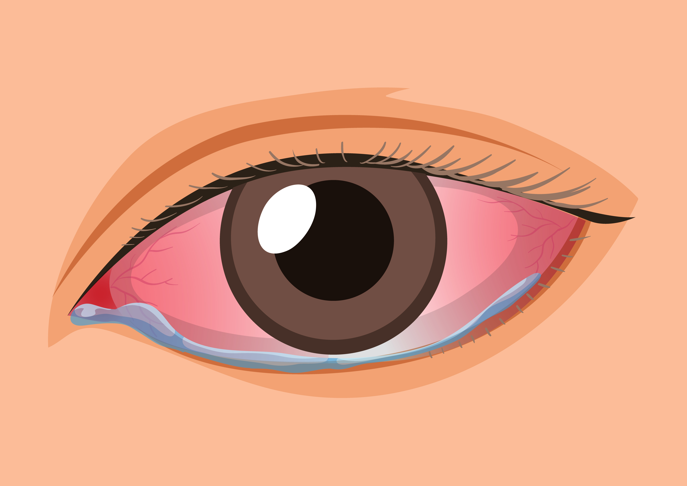
Conjunctivitis, also called pink eye, is a common eye problem. It happens when the thin layer covering the white part of your eye gets inflamed. Many people wonder about the main causes of conjunctivitis. In this blog, you will learn about the six main causes of conjunctivitis, their symptoms, and how conjunctivitis spreads. Knowing these causes can help you protect your eyes and those around you.
1. Viral Infections
First, viral infections are a leading cause of conjunctivitis. Viruses, like those that cause the common cold, can infect your eyes. Often, viral conjunctivitis spreads easily from person to person. For example, touching your eyes after sneezing can pass the virus.
According to the CDC, viral conjunctivitis is highly contagious. Therefore, washing your hands often can help prevent its spread.
2. Bacterial Infections
Next, bacterial infections are another main cause of conjunctivitis. Bacteria can enter the eye through dirty hands or contact lenses. As a result, the eyes may become red and sticky.
In many cases, antibiotics are needed to treat bacterial conjunctivitis. However, always consult a doctor before starting treatment.
3. Allergies
Allergic conjunctivitis happens when your eyes react to things like pollen or dust. Because allergies are common, many people experience this type of pink eye, especially during certain seasons.
Unlike infections, allergic conjunctivitis is not contagious. Still, avoiding triggers can help reduce symptoms.
4. Irritants and Chemicals
Sometimes, irritants or chemicals can cause conjunctivitis. For instance, smoke, chlorine from pools, or cleaning products may irritate your eyes. This type is called irritant conjunctivitis.
If you get chemicals in your eyes, rinse them with clean water right away. Then, seek medical help if symptoms persist.
5. Foreign Bodies
Foreign bodies, like dust or sand, can also lead to conjunctivitis. When something gets stuck in your eye, it can cause irritation and redness. For example, rubbing your eyes after being outside may introduce particles.
After removing the foreign object, symptoms usually improve. However, if pain or redness continues, see an eye doctor.
6. Newborn Conjunctivitis (Ophthalmia Neonatorum)
Finally, newborns can get a special type of conjunctivitis called ophthalmia neonatorum. This happens when babies are exposed to bacteria during birth. Early treatment is very important to prevent serious eye problems.
Because newborn conjunctivitis can be serious, doctors often give eye drops to babies soon after birth. The World Health Organization recommends early care for all newborns.
Summary
In summary, the main causes of conjunctivitis include viral and bacterial infections, allergies, irritants, foreign bodies, and newborn infections. Each type has its own symptoms and risk factors. However, knowing these causes can help you prevent and manage pink eye. For more details, you can visit trusted sources like the CDC and WHO.
If you or your child has symptoms of conjunctivitis, consult an eye care specialist Dr. Pallavi Gupta Reddy. Early treatment can protect your vision and stop the spread to others.