What Is Diabetic Retinopathy?
Diabetic retinopathy is a common eye disease linked to diabetes. It happens when high blood sugar damages blood vessels in the retina. The retina is the part of your eye that senses light. Over time, this damage can cause vision problems or even blindness. According to the World Health Organization, diabetic retinopathy is a leading cause of vision loss worldwide. In some areas, such as the United States, it affects about one in three people with diabetes. Early detection and treatment can help protect your sight. Because diabetic retinopathy often develops slowly, many people do not notice symptoms at first.
Symptoms of Diabetic Retinopathy
At first, diabetic retinopathy may not cause any symptoms. However, as the disease gets worse, you may notice changes in your vision. For example, you might see:
Because symptoms can be mild at first, regular eye exams are important. If you notice any changes in your vision, you should tell your doctor right away. Early treatment can help prevent further damage.
Causes and Risk Factors
Diabetic retinopathy is caused by high blood sugar levels over time. This can weaken and damage the tiny blood vessels in the retina. As a result, these vessels may leak fluid or bleed. In some cases, new, abnormal blood vessels grow, which can make the problem worse. Several factors can raise your risk of developing diabetic retinopathy. For instance, your risk increases if you:
In some regions, such as rural areas, people may have less access to eye care. This can increase the risk of vision loss from diabetic retinopathy.
How Diabetic Retinopathy Is Diagnosed
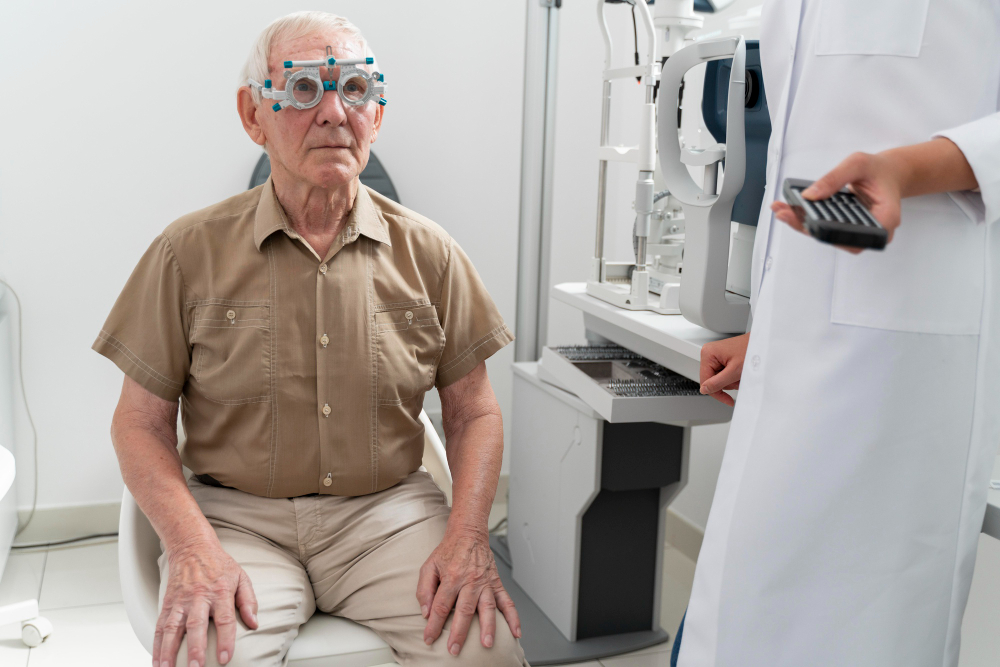
Doctors use several tests to check for diabetic retinopathy. Most often, they start with a simple eye exam. During this exam, your doctor will use special drops to widen your pupils. This lets them look at the back of your eye. In addition, they may use imaging tests, such as:
Because early stages may not cause symptoms, regular eye exams are key for people with diabetes. The American Diabetes Association recommends yearly eye checks for most adults with diabetes. Early diagnosis helps prevent serious vision loss. If you wonder how is diabetic retinopathy diagnosed, these tests are the main tools doctors use.
Treatment Options for Diabetic Retinopathy
Treatment for diabetic retinopathy depends on how severe the disease is. In mild cases, your doctor may suggest better blood sugar control. This can slow the disease and sometimes stop it from getting worse. However, if the disease is more advanced, you may need special diabetic eye disease treatment options, such as:
Because each person is different, your doctor will choose the best treatment for you. In many cases, a mix of treatments works best. Early treatment can help save your vision and improve your quality of life.
Tips for Prevention and Eye Health
Although diabetic retinopathy cannot always be prevented, you can lower your risk. For example, you can:
Because preventing diabetic retinopathy is easier than treating it, these steps are important. In some regions, local clinics may offer free or low-cost eye screenings. Ask your healthcare provider about resources in your area. Early action can help protect your vision for years to come.
Conclusion
If you have diabetes, regular eye checkups are important for your vision. Schedule an appointment with Dr. Pallavi Gupta Reddy to discuss your eye health and get the care you need.