
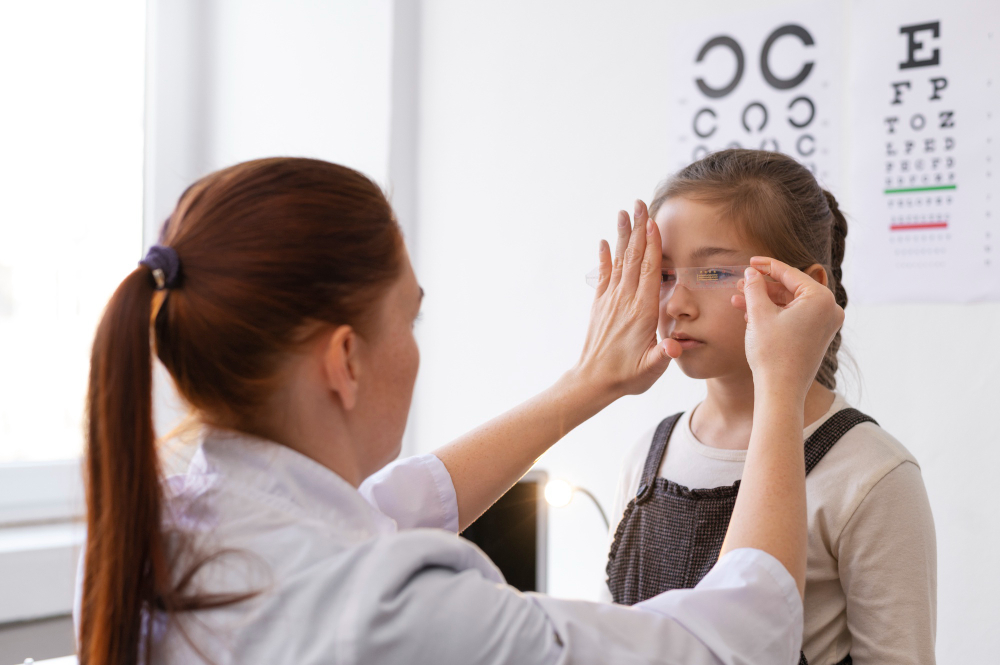
What Is Squint (Strabismus) in Children?
Squint in children, also called strabismus, happens when the eyes do not look in the same direction. Usually, one eye may turn in, out, up, or down while the other looks straight ahead. Because of this, the eyes do not work together as a team. For many families, this condition can be worrying. However, early care can help prevent problems with vision. According to the World Health Organization, squint is common in young children. In fact, it can affect their learning and social life if not treated. While some children may have a mild squint, others may need special care from an eye doctor.
Common Causes of Squint in Children
There are several causes of squint in kids. Sometimes, the exact reason is not clear. However, certain factors can increase the risk. For example, children may be born with weak eye muscles. In other cases, eye injuries or illnesses can lead to squint. Additionally, some children may develop squint because of poor vision in one eye. Below are common causes of squint in children:
Because early signs can be missed, regular eye checks are important for all children.
Recognizing Symptoms of Squint in Children
Parents often notice signs of eye misalignment in children during play or photos. Sometimes, the squint may be present all the time. In other cases, it may come and go. Early signs can include one eye turning in a different direction. Additionally, children may close one eye in bright light. Other symptoms may include:
Because these signs can be subtle, regular visits to a pediatric eye doctor are helpful. Early detection can prevent long-term vision problems, such as lazy eye (amblyopia).
Diagnosis of Squint in Children
Doctors use several tests to diagnose squint in children. First, they check how the eyes move and focus. Next, they may use special lights or charts to measure vision. Sometimes, eye drops are used to help the doctor see inside the eye. In many cases, a full eye exam is needed. Pediatric eye care in your area can provide these tests. Because early diagnosis is key, children should have their eyes checked before starting school. If you notice any signs of squint, ask your doctor for a referral to a specialist.
Treatment Options for Squint in Children
There are many ways to treat squint in children. The best treatment depends on the cause and type of squint. For some children, glasses can help correct vision problems. In other cases, eye patching is used to strengthen the weaker eye. Additionally, special eye exercises may help train the eyes to work together. Sometimes, doctors recommend surgery to adjust the eye muscles. Below are common childhood strabismus treatment options:
Because each child is different, your eye doctor will suggest the best plan. Early treatment often leads to better results. If you are seeking pediatric eye care in your city, look for clinics with experience in childhood squint.
Prevention and Lifestyle Guidance for Parents
While not all cases of squint can be prevented, parents can take steps to support eye health. For example, regular eye exams help catch problems early. Additionally, protecting your child’s eyes from injury is important. Here are some tips for parents:
Because early care can make a big difference, stay alert to changes in your child’s vision. For more information, trusted sources like the CDC and WHO offer helpful guidance on children’s eye health.