What Are Refractive Errors?
Refractive errors are common vision problems. They happen when the eye cannot focus light correctly. As a result, things may look blurry. For example, nearsightedness and farsightedness are types of refractive errors. Astigmatism is another type. Each one affects how you see near or far objects. According to the World Health Organization, refractive errors are a leading cause of vision issues worldwide.
Why Early Diagnosis Matters
Early diagnosis of refractive errors can help prevent further vision loss. In many cases, children may not notice blurry vision. However, untreated problems can affect learning and daily life. Adults may also struggle with work or driving. Because of this, regular eye exams are important for everyone. Early treatment often leads to better results. In some areas, local clinics offer free vision screenings for children and seniors.
Common Symptoms of Refractive Errors
Refractive errors can cause a range of symptoms. Sometimes, these signs are easy to miss. Yet, knowing what to look for can help you seek help sooner. Common symptoms include:
For children, watch for trouble reading the board at school or holding books very close. If you notice these signs, consider scheduling an eye exam for refractive errors soon.
How Refractive Errors Are Diagnosed
Doctors use several steps to diagnose refractive errors. First, they ask about your vision and any symptoms. Next, they perform a vision test. This helps measure how well you see at different distances. Because each person is unique, the doctor may use more than one test. According to the CDC, regular eye exams are the best way to catch these problems early. In many cities, you can find clinics that offer affordable eye exams for all ages.
Types of Diagnostic Tests
Several tests help with diagnosing nearsightedness and farsightedness. Some of the most common include:
Each test gives important clues about your vision. Together, they help the doctor decide if you need glasses or other treatments.
What to Expect During an Eye Exam
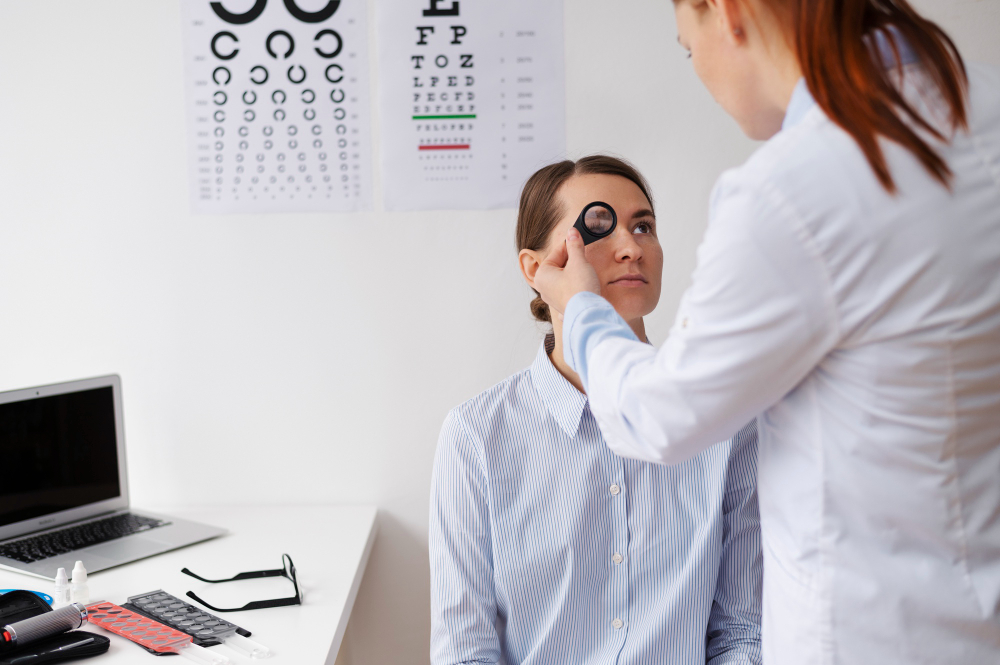
Many people feel nervous before an eye exam. However, the process is simple and safe. First, you will answer questions about your vision and health. Then, the doctor will check your eyes using a few easy tests. For example, you may look at letters on a chart or try on different lenses. Sometimes, the doctor will use drops to widen your pupils. This helps them see inside your eye better. Most exams take less than an hour. In some locations, you may need to book in advance, especially for children or seniors.
Frequently Asked Questions About Diagnosis
People often have questions about how refractive errors are diagnosed. Here are some common ones:
If you have more questions, your local eye doctor can help explain the process. In many areas, clinics offer information in different languages to make visits easier for everyone.