
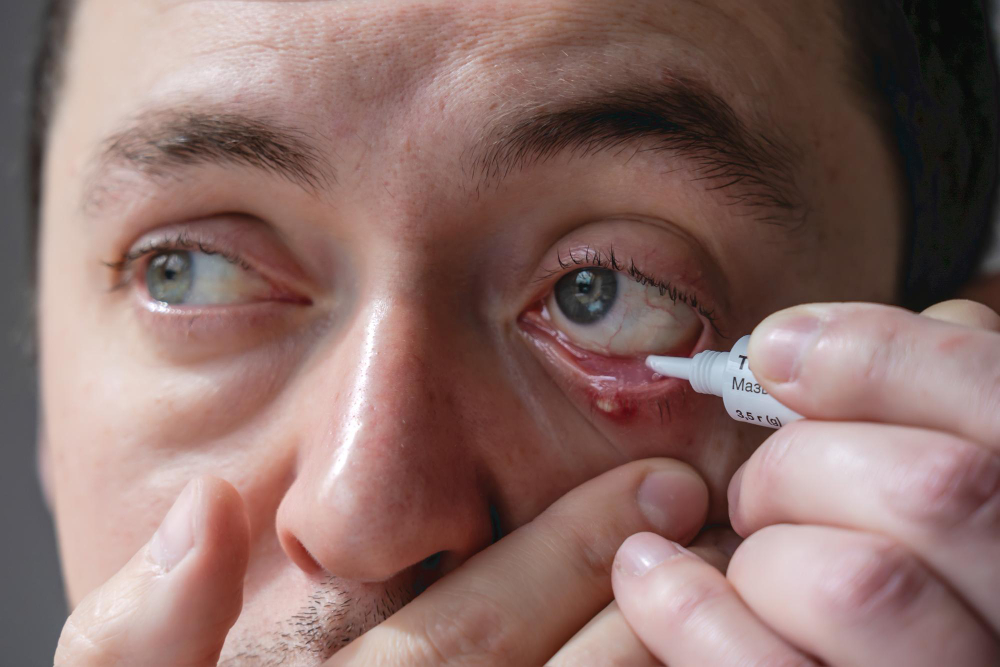
What Is an Eye Stye?
An eye stye is a small, red bump that forms on the edge of your eyelid. Often, it looks like a pimple. Usually, it appears near the base of your eyelashes. Many people feel pain or tenderness in the area. Because styes are common, you might have had one before. An eye stye can make your eyelid swell or become sore. In most cases, styes are not serious and heal on their own. However, knowing how to get rid of a stye and how to prevent them can help you feel better faster.
Symptoms of an Eye Stye
Eye stye symptoms can be easy to spot. For example, you may notice:
Sometimes, the area around the stye can also become swollen. If you notice changes in your vision or the swelling spreads, you should contact a doctor.
Causes of Eye Styes
Eye stye causes are usually linked to bacteria. Most often, the bacteria called Staphylococcus get into the oil glands at the base of your eyelashes. As a result, the gland becomes blocked and infected. Other causes can include:
Because these factors can raise your risk, it is important to keep your eyes clean and avoid sharing personal items.
How Eye Styes Are Diagnosed
Doctors can usually diagnose an eye stye by looking at your eyelid. During an exam, your doctor may:
In rare cases, if the bump does not heal or looks unusual, your doctor may suggest more tests. However, most styes are easy to identify and do not need special tests.
Treatment Options for Eye Styes
Eye stye treatment often starts at home. Still, some cases may need help from a doctor. Common treatments include:
Sometimes, your doctor may prescribe antibiotic ointment or drops. In rare cases, if the stye does not go away, a doctor may drain it. According to the CDC, most styes heal within a week with simple care.
Home Care and Lifestyle Tips
There are several ways to care for an eye stye at home. For example, you can:
Additionally, using a warm compress can speed up healing. If you wear contact lenses, switch to glasses until your eye heals. These steps can help you feel better and lower the risk of more problems.
Preventing Eye Styes
Preventing eye styes is possible with good habits. To lower your risk, try these tips:
Because styes are often caused by bacteria, keeping your eyes and hands clean is key. For more tips, consult Dr. Pallavi Gupta Reddy.